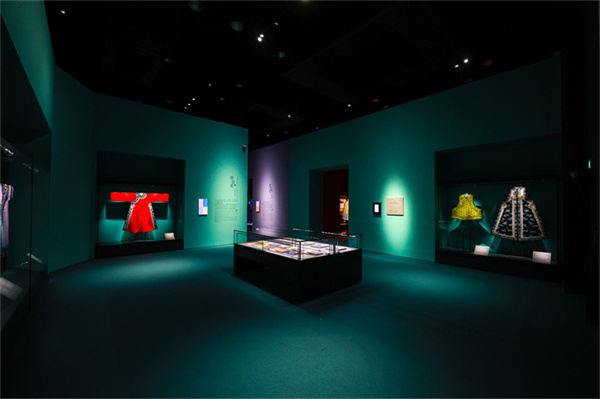
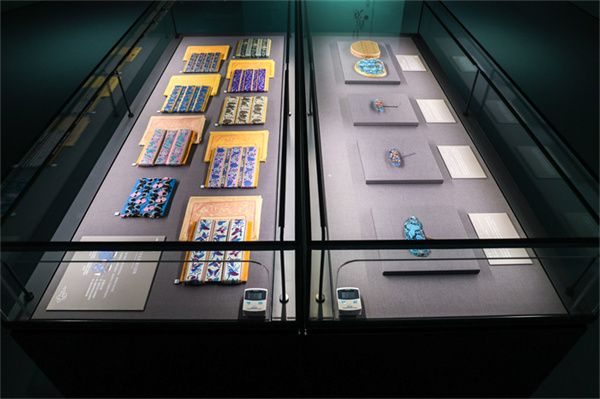
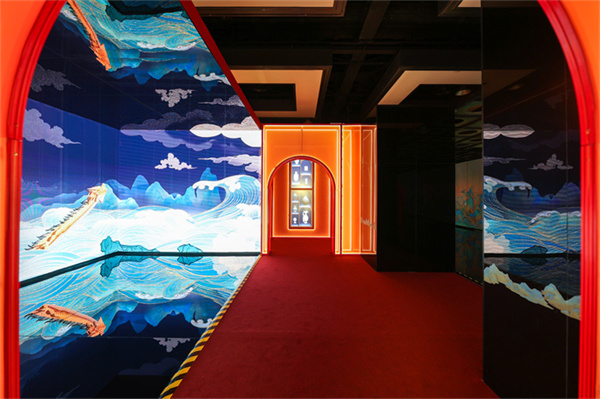
Imperial Colours:QingDynasty CourtCostumes from the Palace Musean
Preface
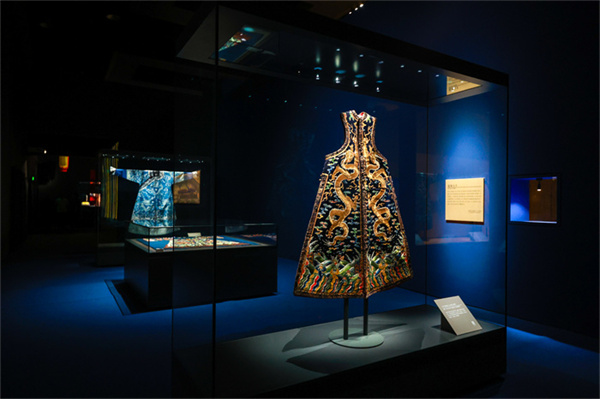
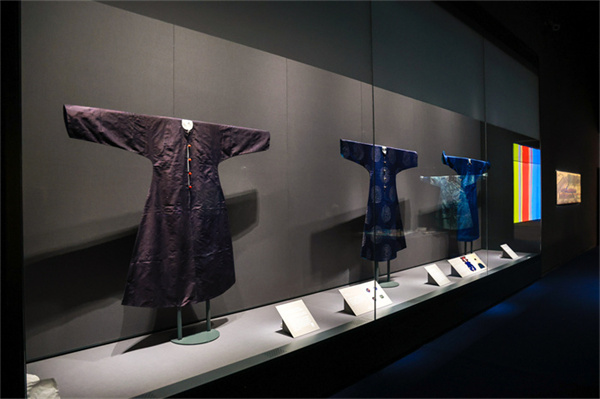
The attire of the Ming and Qing dynasties preserves a world of traditional Chinese dress that still feels close to us today. It embodies the final brilliance of traditional Chinese silk and the last flowering of the country's plant dyes.
Historically, the Chinese character for colour (cai彩) was interchangeable with the term for patterned silk (cai綵/采); colour and textile were fundamentally one. Traditionally, colour manifested what was sacred, marked rituals, and expressed cultural identity.
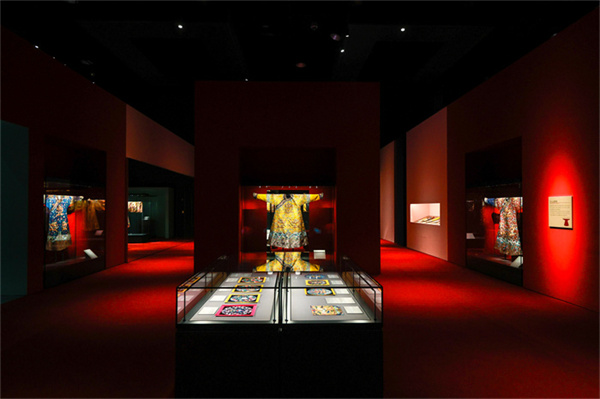
The rise of a dynasty was often accompanied by an increasingly vivid world of colour. At the founding of the Ming Dynasty, Zhu Yuanzhang prescribed black upper garments and yellow lower garments for sacrificial dress, while official attire was distinguished by shades of red, green, and the blue, green or black hues collectively called qing (青). Later, as the Qing rose beyond the Great Wall amid the mountains and rivers of Manchuria, the ruler Nurhaci divided his forces using four coloured banners, laying the foundation for the Eight Banner system. Within the Forbidden City, Nurhaci's descendant the Kangxi Emperor matched robe colours to rank and occasion at court.
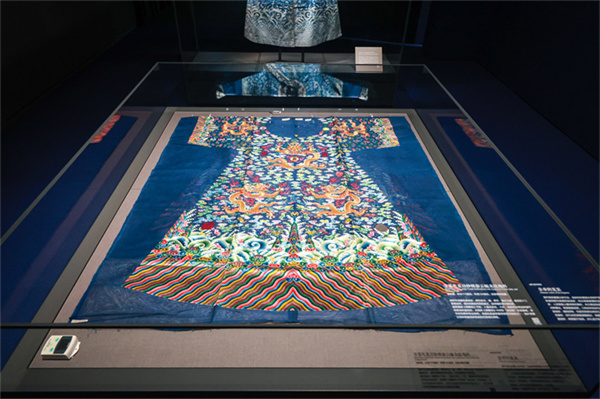
Through colour, dynasties gave visible form to order, hierarchy, and ritual. Inheriting the regulations of the Ming, the Qing court refined its system of dress colours over more than a century, bringing it to an unprecedented level of complexity and sophistication.
Yet no matter how strict regulations were, the fashions of colour never stood still. Shades such as ocher yellow, crimson, wood red, autumn yellow, lotus-root purple, kingfisher blue,'moon white',(in reality a pale blue) and oil green endured across dynasties, while new shades came to colour a new age: the tianqing (indigo) of the Kangxi reign, the fu (maroon) of the Qianlong reign, rose red introduced through exchanges with Central and Western Asia, and later imported hues such as pale purple in the late Qing. Behind these evolving palettes lay the meeting of people and cultures, the flourishing of traditional dyeing and weaving, and the expanding currents of trade between East and West.
The colours of the state and the colours of the palace together preserve some of the finest achievements of China’s textile, dyeing, and embroidery traditions. As a living heritage, they await not only preservation but renewal, so that in our world rich with colour, the brilliance of Chinese brocade may flourish once again.